As consumers become more aware of food safety, product quality has become a stronger purchasing priority. China’s developing food-traceability system has encouraged government and business investment in traceability for agricultural products. Big data, the Internet of Things and blockchain are among the technologies used to connect production, processing, distribution and consumption in a farm-to-table traceability system.
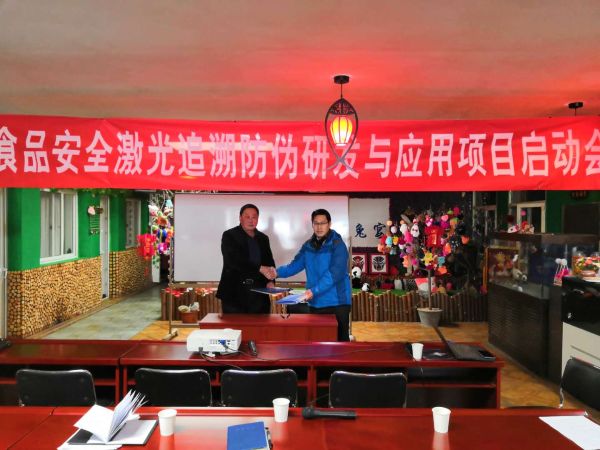
On 31 January 2019, a Changping district agricultural science and technology project for the development and application of laser-based food-safety traceability and anti-counterfeiting was launched at the Beijing Gu-family Rex Rabbit Breeding Cooperative in Liucun town.
Building on a 2018 agricultural technology project for laser anti-counterfeit coding on fresh apples, the new project was intended to improve laser engraving, intelligent code allocation and automatic digital-code distribution, increasing coding efficiency and adding equipment. It would extend laser anti-counterfeit codes to Changping’s speciality agricultural products. Demonstration products included “Cuicun Red” apples, Ming Tombs persimmons and Liucun’s Gu-family rex-rabbit products. Combining product traceability, laser coding and Internet of Things technologies, the project aimed to assign each item a unique code so that origin, destination and responsibility could be checked throughout production and sales. Its stated objectives included stronger regulatory oversight, greater brand value and improved consumer confidence.